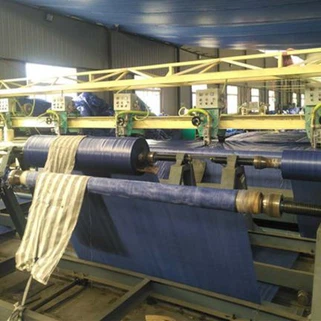
These energy-efficient PVC welding machines utilize cutting-edge technologies and techniques such as hot air, high-frequency (HF) welding with high frequency waves, radio frequency (RF) welding, laser plastic welding, vibration welding, infrared welding, and heat guns to optimize the welding process, reduce waste.
Strong and Reliable Bonds
PVC welding machines create exceptionally strong bonds that are resistant to wear and tear. This ensures the longevity of the welded joints, reducing the need for frequent repairs or replacements.
Versatility
One of the standout features of PVC welding machines is their versatility. They can be used to weld a wide range of PVC materials, including pipes, sheets, and profiles, making them ideal for various applications in construction, plumbing, and manufacturing.
Speed and Efficiency
Compared to traditional adhesive bonding methods, PVC welding machines offer faster and more efficient results. This means increased productivity and reduced labor costs for businesses.
Environmentally Friendly
PVC welding does not involve the use of adhesives or solvents, making it an environmentally friendly welding method. It reduces the release of harmful chemicals into the atmosphere, contributing to a greener future.
Cost-Effective
Investing in PVC welding machines can lead to long-term cost savings. Their durability and efficiency translate into reduced maintenance and repair expenses, ultimately benefiting businesses' bottom lines.
Consistent Quality
PVC welding machines ensure consistent and high-quality welds, reducing the likelihood of defects or weak joints. This is especially crucial in industries where structural integrity is paramount.
Safety
PVC welding eliminates the need for open flames or toxic fumes, enhancing workplace safety. Operators can work confidently without the risk of fire hazards or health issues related to welding fumes.
Minimal Material Waste
Precision welding with PVC welding machines minimizes material waste, making them a sustainable choice for resource-conscious industries.
Reduced Downtime
Quick and efficient PVC welding means less downtime for equipment and processes, contributing to improved overall productivity.

HDPE Waterproof Sheet Hot Air Welding Machine
The plastic welding torch can be plastic welded as long as it is connected to 220V AC, which is convenient to use. The heater temperature can be varied from 20 to 700 degrees, which can adjust the welding temperature of different materials and different specifications of the electrode.

hot air type welding machine, can be used for PE PP PVC tarpaulin, banner, tent, canvas... one machine with two functions, seam jointing and edge welding with rope insert.

HDPE Film Heat Sealing Machine
Adopt most advanced PLC programming,easy operating ,which have safety protection and alarm function.

PVC welding machine designed for sewing /sealing /cutting /pressing /embossing various fabrics. It is widely used in various fabrics products, including curtains, non woven fabric, PE tarpaulin, PVC tarpaulin, tent, banner etc.

The welding machine adopts Alto Nicks temperature table imported from South Korean, with solid state relay temperature control, the temperature error tolerance ±2 degree. Transmission adopts frequency control, speed stability, low failure rate, energy saving.


Tarpaulin Hot Air Seam Sealing Machine
Tarpaulin hot air seam sealing machine suitable for processing all kinds of width and length of the width knife scraping fabric, plastic fabric, color strip fabric.

Hot Air Tarplualin Seam Joint Welding Machine For Tent
According to the characteristics of PVC coated canvas, we plant independent research and development of high-temperature tarpaulin adhesive machine, temperature regulation, speed regulation, wrapping rope folding.

Welding machine to fold PE/PVC tarpaulin sides and jointing the separate tarpaulin cloth into one whole piece together.
Why Choose Us
State-Of-The-Art Technology
We use the latest technology and tools to deliver high quality services. Our team is well-versed in the latest trends and advancements in technology and uses them to provide the best results.
Expertise and Experience
Our team of experts have years of experience in delivering high quality services to our clients. We hire only the best professionals who have a proven track record of delivering exceptional results.
Quality Assurance
We have a rigorous quality assurance process in place to ensure that all our services meet the highest standards of quality. Our team of quality analysts checks each project thoroughly before it is delivered to the client.
Customer Service
We earn your respect by delivering on time and on budget. We built our reputation on exceptional customer service. Discover the difference it makes.
Competitive Pricing
We offer competitive pricing for our services without compromising on quality. Our prices are transparent, and we do not believe in hidden charges or fees.
One-stop service
We promise to provide you with the fastest reply, the best price, the best quality, and the most complete after-sales service.
Understanding Polyvinyl Chloride (PVC)
Polyvinyl chloride (PVC) is the third most produced thermoplastic globally, available in both rigid and flexible forms, and is primarily constituted of raw materials sourced from oil and salt. Its eco-friendliness, as PVC consumes less crude oil and natural gas in its production compared to other plastics, makes it an attractive choice for various applications.
The versatility of PVC welding allows it to be used in bonding an array of plastic materials. The most prevalent plastic welding techniques include:
Friction welding Induction welding Solvent welding Hot gas welding Hand welding Ultrasonic welding
These processes involve surface preparation, application of heat and pressure, and cooling to create strong, permanent bonds between compatible substrates at a molecular level. As the solvent evaporates, the bond becomes even stronger.
The Merits of Investing in a PVC Welding Machine
PVC welding offers numerous advantages over other bonding techniques, making it an attractive investment for businesses across various sectors. One of the primary benefits is the remarkable durability of PVC welded components, which can withstand harsh conditions and resist wear and tear.
Moreover, PVC welding solutions showcase resistance to oils and chemicals, exhibit exceptional mechanical and chemical resilience, and inherently resist fire. These qualities demonstrate the value of investing in a PVC welding machine to ensure the production of strong, long-lasting components for various applications.
Diverse Applications of PVC Welding
Recent advancements in PVC welding technology have enabled its wide-ranging implementation across numerous applications. From outdoor advertising and signage to industrial and construction settings, PVC welding is now an indispensable tool in the toolbox of countless businesses.
Outdoor advertising and signage
PVC welding machines are essential in creating resilient outdoor advertising materials like signs, billboards, and banners. These machines can create weather-resistant signage that is not only robust and resistant to dents, scratches, and moisture but also versatile in design, allowing for vibrant and captivating displays. Thanks to the significant amount of energy efficiency and precision offered by PVC welding machines, outdoor advertising professionals can benefit from lower production costs and shorter cure and set times.
These machines are designed to meet the unique demands of the outdoor advertising industry and deliver durable, eye-catching, and cost-effective signage.
Industrial and construction applications
In various industrial and construction settings, the durability and efficiency of PVC welding are greatly appreciated. Applications include:
Construction ducting systems, piping, and other related components Creating rollar doors Making protective soft-side curtains Building resilient fabric structures
Latest Innovations in PVC Welding Technology
The world of PVC welding is constantly evolving, with the latest innovations focusing on sustainability, energy efficiency, and improved performance. These advancements have the potential to revolutionize the industry, benefiting both users and the environment.
The succeeding section offers a deeper insight into the latest eco-friendly and energy-efficient technologies in PVC welding.
Eco-friendly and energy-efficient technologies
Advancements in PVC welding technology now prioritize eco-friendly and energy-efficient solutions, catering to the growing demand for sustainable manufacturing processes. Techniques such as ultrasonic welding, thermoplastic composites welding, and vibration plastic welding are becoming increasingly popular due to their precision, efficiency, and reduced environmental impact.
These energy-efficient PVC welding machines utilize cutting-edge technologies and techniques such as hot air, high-frequency (HF) welding with high frequency waves, radio frequency (RF) welding, laser plastic welding, vibration welding, infrared welding, and heat guns to optimize the welding process, reduce waste, and minimize energy consumption. As a result, businesses can benefit from cost savings, eco-friendliness, improved productivity, increased accuracy, and long-term dependability, all while actively contributing to global sustainability efforts.
Choosing the Right PVC Welding Machine for Your Needs
The optimal performance, efficiency, and satisfaction in your specific application hinge on the selection of the right PVC welding machine. Upcoming sections will guide you through the process of assessing your business requirements and comparing different PVC welding models to facilitate an informed decision.
Assessing your business requirements
A thorough evaluation of your business needs and requirements is necessary to identify the most suitable PVC welding machine for your specific application. Consider factors such as:
The industrial application of the machine The weldability of the plastic materials used The temperatures and welding steps required The cleaning and maintenance needs
Additionally, consider the following factors:
The need for increased production and efficiency in banner welding The choice of appropriate materials for the welding fixtures, including plastic fabrication The dexterity and mobility requirements for the plastic welding process
The determination of the appropriate PVC welding machine for your needs also depends heavily on the size and nature of your business. Larger businesses may require machines with higher capacity and output, while smaller businesses may opt for more compact machines that fit their space constraints and budget.
The nature of your business, including the type of PVC products being manufactured, can also influence your choice of welding machine, as different products may require specific welding techniques or specialized equipment.
Comparing different pvc welding models
Consideration of factors like power rating, size, welding process, speed, safety features, cost, and warranty is crucial when comparing different PVC welding models. The power rating affects energy consumption and weld quality, while the size of the machine impacts its functionality and applicability to different projects.
By assessing various models based on these factors, you can ensure the selection of a PVC welding machine that best suits your specific requirements and production needs. The wide range of PVC welding machines available on the market today, from hot air welding machines and extrusion welding machines to butt welding machines, ensures that there is a solution for every application and budget.
Exploring pvc welding machines and methods for superior product manufacturing


A wide range of products that are used daily by consumers and industries worldwide incorporate Polyvinyl Chloride (PVC) because of its versatile characteristics. One particularly beneficial property of PVC is its waterproof nature, making it a preferred choice in marine applications. The seam bond in PVC products, as a result, needs to be extremely durable to resist the demanding conditions, and the type of welding method used can significantly influence this bond strength.
Understanding PVC Welding
PVC welding, while a relatively technical term, is central to manufacturing processes involving thermoplastic materials. Simply put, PVC welding is a method used to join two pieces of PVC materials together. This process harnesses the application of heat to the contact points between materials, leading to a fusion that forms a strong bond.
Why is PVC welding necessary, you ask? Consider the structure and needs of a waterproof boat cover or an inflatable water raft. These products should not only resist water penetration but also withstand the dynamic stresses of use. The strength of the seam bond created by PVC welding is what provides these essential qualities.
Across different industries, PVC welding has gained a reputation for delivering durable products. From construction to automotive and marine applications, the range is extensive and the importance of this technique can barely be overstated.
Understanding PVC welding ensures durability and resilience in the face of wear and tear and provides the potential for architecting complex designs without compromising structural integrity.
The Key To Successful PVC Welding
The ultimate success of PVC welding, lies in the details of its execution. The method of welding selected, the precise control over the welding parameters, and the compatibility of the welding method with the specific application or product design, all play a role in the final outcome. Here we'll focus on the different types of PVC welding machines and the three primary PVC welding methods – Hot Air Welding, Hot Wedge Welding, and High Frequency Welding.
The world of PVC welding is replete with different types of machines, each designed for specific applications and optimized for unique product requirements. Understanding these machines is vital as they have a direct impact on the efficiency of the production process and the quality of the final product.
Hot Air Welding Machine
These machines use heated air or gas to melt the contact points between materials, which then merge under pressure to form a strong bond. Hot air welding machines are typically leveraged for their versatility and are capable of handling a variety of product designs and materials.
Hot Wedge Welding Machines
Hot wedge welders use a heated wedge to apply heat at the seam interfaces. The heated wedge is driven between the two pieces of PVC, melting them before a pair of pressure rollers apply force, sealing the seam. These machines are often chosen for their precision, making them an excellent fit for applications where high accuracy is required.
High-Frequency Welding Machines
These utilize radio frequency energy to cause molecular agitation in the PVC. This agitation generates heat, which melts the materials at the seam. Once cooled, the seam forms a homogenous bond. High frequency welding machines are known for their speed and efficiency, which makes them particularly suitable for high-volume manufacturing environments.
The choice of a welding machine depends heavily on the specific requirements of the product being manufactured. For instance, if you are producing items with complex shapes or where the aesthetic appeal of the seam is a high priority, hot air welding machines might be the best fit. On the other hand, if you need fast-paced production without sacrificing seam quality, high-frequency welding could be the way to go.
A deep dive into welding methods
Let's delve deeper into each of these three welding methods, exploring their advantages, limitations, and the types of products they are best suited for. This knowledge will empower you to make informed decisions when it comes to your manufacturing process, ultimately allowing you to create higher quality, more robust products.
Hot Air Welding
Hot Air Welding, as the name indicates, operates on the principle of applying heat to create a weld. A hot air welder uses a nozzle to blow hot air onto the PVC material, causing it to soften and melt. Once in this malleable state, the pieces of PVC are pressed together, forming a permanent bond when cooled.
One of the primary advantages of this method is the ability to create a very consistent weld, enhancing the product's overall strength and durability. It is also highly versatile, and able to handle various shapes and sizes with relative ease. Whether you're manufacturing flexible water tanks or inflatable boats, hot air welding offers the precision and strength necessary for diverse applications.
However, hot air welding does require careful temperature control to prevent overheating or under-heating, which can negatively impact the weld quality. But, with a skilled operator and the right settings, these potential limitations can be mitigated, yielding consistently high-quality results.
Hot Wedge Welding
Hot Wedge Welding uses a slightly different approach to the application of heat. A heated metal wedge is driven between the two pieces of PVC material, causing them to soften and melt. Following this, pressure is applied, typically through a pair of rollers, to merge the softened materials together. Once cooled, a firm and durable seam is formed.
This method offers the advantage of speed and consistency. The hot wedge can maintain a steady temperature, ensuring that the heat applied is uniform across the welding area. This process leads to a robust and permanent bond, ideal for applications that require durable, high-quality seams.
However, hot wedge welding may be less adaptable to complex or irregular shapes compared to hot air welding. Despite this limitation, for straightforward, linear welds, this method proves to be incredibly efficient and reliable.
High-frequency Welding
High-frequency welding, sometimes referred to as radio frequency welding, uses radio waves to create heat and fuse PVC materials. The materials are placed between two metal plates, and a high-frequency electric field is applied. This process leads to molecular agitation within the PVC, generating heat and causing the material to melt and fuse together, creating a strong and durable seam.
The highlight of high-frequency welding is its speed welding capability. It is remarkably faster than hot air and wedge welding, making it an excellent choice for high-volume production runs. Additionally, the nature of the process results in a neat and tidy weld, enhancing the aesthetic appeal of the product.
However, it's critical to note that high-frequency welding can only be used with certain materials that have specific dielectric properties, such as PVC. Where applicable though, it's a powerful welding method that combines speed, consistency, and quality.
Our Factory
Our company focus on R & D and manufacturing high-grade intelligent machinery, adhering to the concept of "innovation changes the world, technology weaving the future", and constantly develop new products, new technology research and development efforts, we will make persistent efforts to customer needs and interests, and strive to develop, steady progress, and strive to get more satisfaction and recognition from domestic and abroad.

FAQ
Hot Tags: pvc welding machine, China, manufacturers, suppliers, factory, customized, buy, retail, wholesale, price, for sale